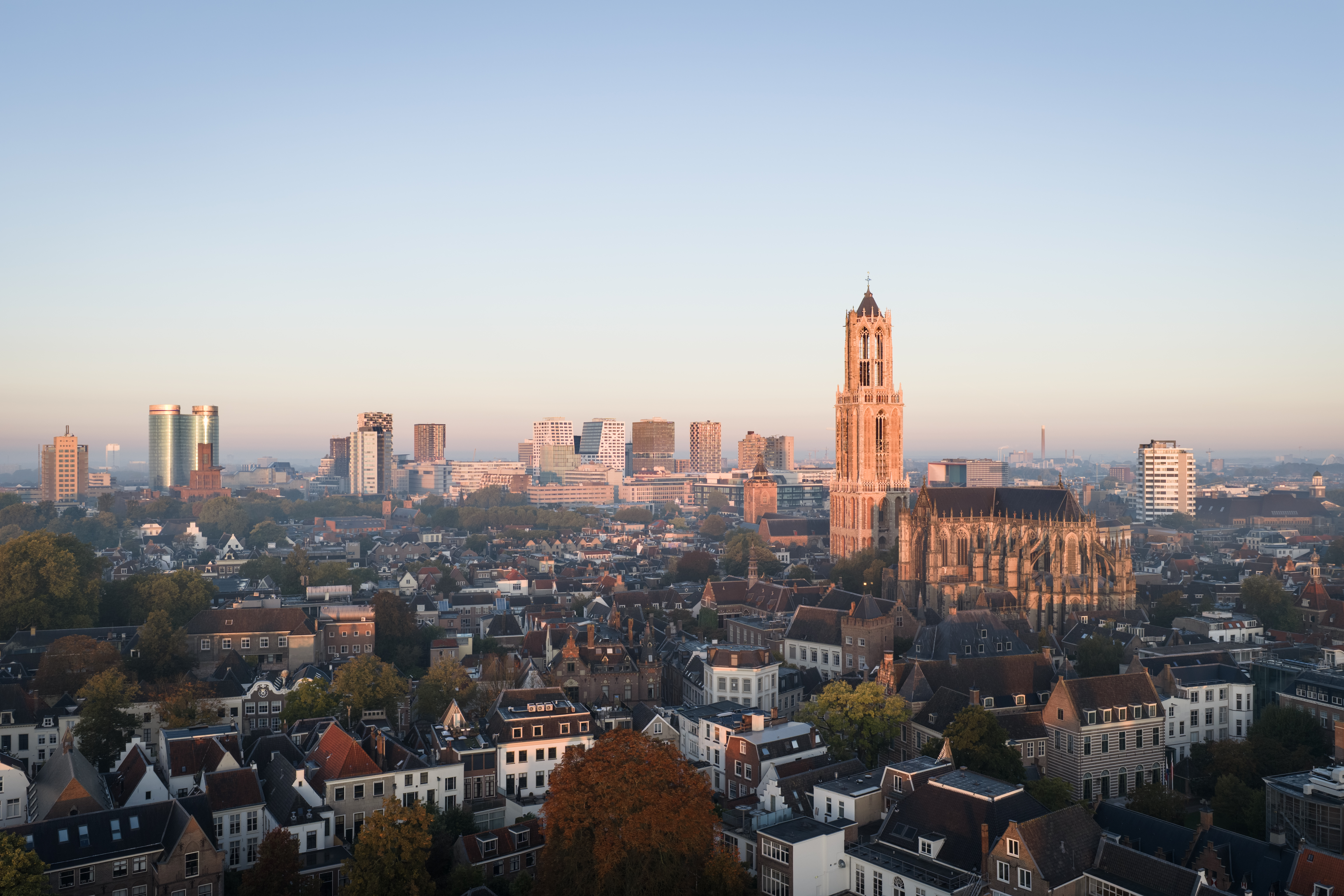
Utrecht, Netherlands
Utrecht processes 3.8 megatons of raw materials each year: an amount which is comparable with a straight line of waste disposal trucks from the Utrecht Dom-tower to the centre of Barcelona (around 1300 kms). In short: a level that is not sustainable. The city aims to become fully circular by 2050, with an interim target of reducing the use of new, non‑renewable resources by 50% by 2030. To achieve this, the municipality focuses on four priority areas: 1) circular businesses (space, business environment and circular skills), 2) construction and urban development, 3) procurement and commissioning, and 4) the processing and re-use of residual materials. Through its structured approach and clear targets, Utrecht shows a firm commitment to integrating circular economy principles across its administration, urban development, and business community — making circularity a concrete and shared priority for the city.
Find out more
The Road to Circularity
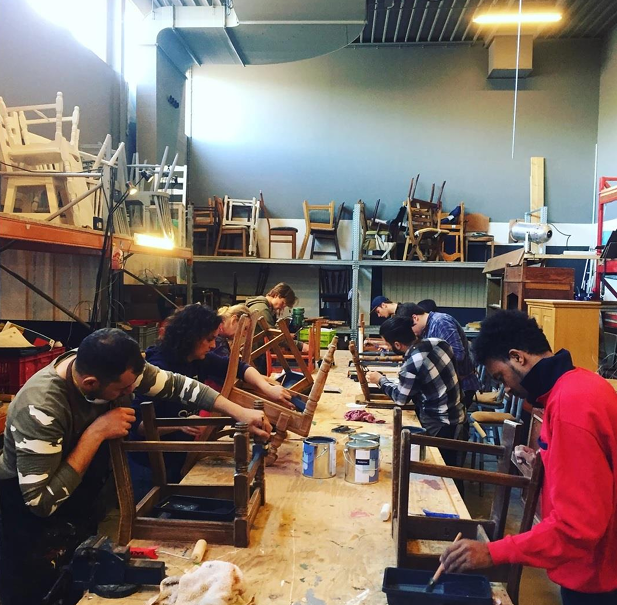
When it comes to the processing and reuse of residual materials, Utrecht has set four concrete ambitions for 2030: collecting and processing residual waste flows in a circular manner, facilitating the reuse of materials from construction works in cooperation with local stakeholders, integrating reclaimed materials into public spaces, and encouraging businesses to improve waste separation. The circular transition is already well underway — Utrecht opened its first Resource Depot in 2025 and its first Upcycle Centre in 2026, where materials are collected, repaired, and reused. With €700 million in annual procurement, the municipality further drives this transition through its Socially Responsible Procurement and Commissioning (MVOI) programme, using its purchasing power as a lever for sustainable innovation.
Development and Construction
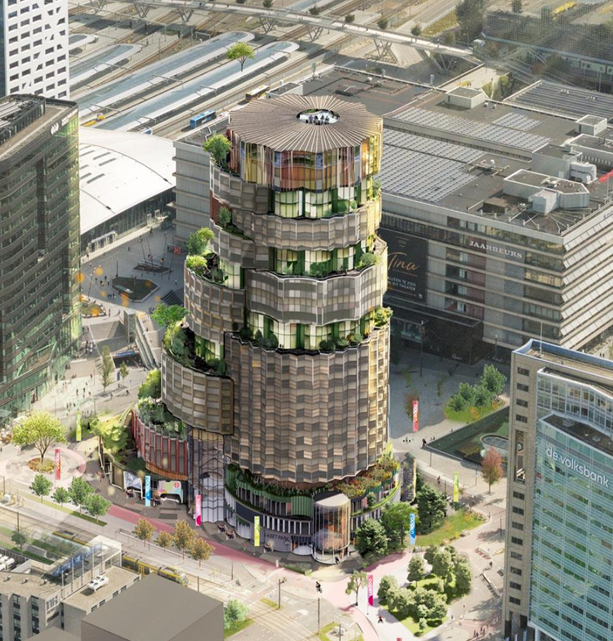
In the field of construction and urban development, Utrecht has set three clear ambitions for 2030. The city aims to actively stimulate circular construction practices for both residential and non-residential buildings, ensuring that new developments are designed with reuse and resource efficiency criteria. Beyond individual buildings, Utrecht is committed to developing and managing its public spaces in a circular manner, embedding sustainability into the very fabric of its urban environment. This commitment extends to the city's own real estate portfolio — including schools and public service buildings — which will be managed according to circular principles, leading by example and demonstrating that sustainable urban management is both achievable and scalable. One of the leading projects is Circular Resource Corridor, which aims at normalising a high level of high quality re-use in the construction sector.